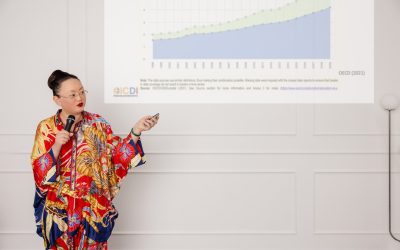

At CISWA’s 31st Annual Conference, Dr Linda Yang hosted a powerful student panel discussion titled “Belonging Beyond Borders: Exploring International Students’ Journeys in WA Education Institutions.”
Held in Perth, the session gave voice to five international students from five different universities—each sharing their personal journeys of adaptation, connection, and resilience while studying in Western Australia.
As an intercultural education expert and a former international student herself, Dr Yang brought deep empathy and insight to the panel, guiding the conversation with authenticity and care.
“I expected to enjoy hosting this panel,” said Dr Yang. “But I didn’t anticipate how moving it would be. It took me back to my own student days—navigating new cultures and searching for a sense of belonging.”
The discussion centred around a simple but profound question: Do you feel a sense of belonging in Australia? What followed was an open and emotional exchange that touched on three key themes:
Belonging: A Human Need, Uniquely Experienced
Students spoke about the importance of being accepted as their authentic selves—highlighting that belonging isn’t just about being welcomed, but about feeling valued within a community that respects diversity.
Integration Takes Intentional Effort
Cultural differences in communication and academic practices remain barriers. The panel called for more intentional support from institutions—through inclusive programs, intercultural learning, and staff training—to help both international and domestic students connect meaningfully.
The Power of Shared Experiences
Students shared how bonds formed with others who understand their struggles have been a vital source of strength. However, many also expressed a longing for deeper connections with domestic peers—a gap that institutions must work harder to close.
Dr Yang concluded the session with a call for action:
“It’s time for our institutions to move beyond surface-level inclusion. We must create intentional, inclusive spaces where all students—regardless of origin—can thrive together.”
The panel left a lasting impression on conference attendees, reaffirming the importance of listening to student voices in shaping policy, practice, and community within international education.